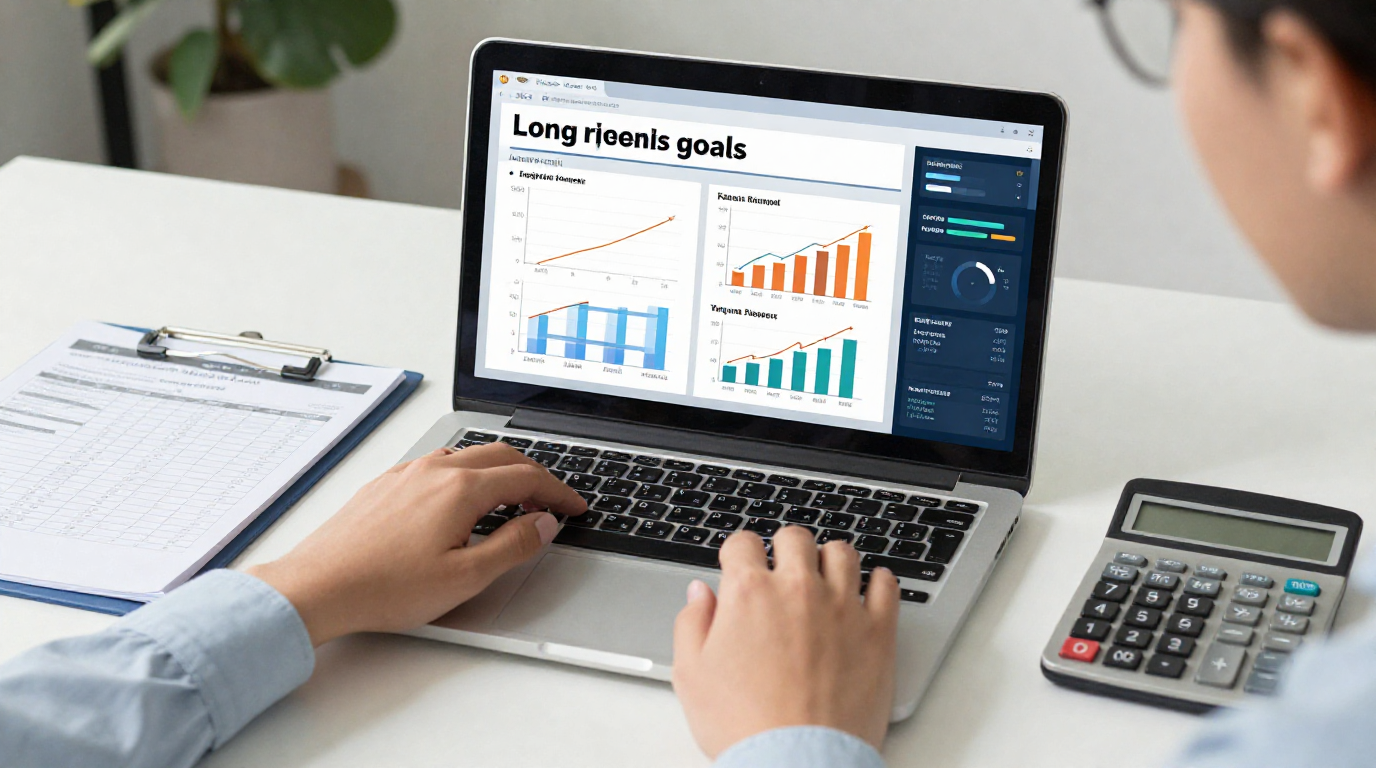
Understanding Financial Control
Tomorrow’s wallet depends on choices made now. Picture where cash flows could lead by steering earnings, costs, reserves, because forward motion starts with small steps today. How things add up later ties directly to habits shaped early.
Money mastery isn’t about how much comes in. What matters is handling it wisely, day after day. Sticking to small choices builds real stability. Progress hides in routine moves, not big paychecks.
Understand Your Current Financial Situation
Take a close look at where your money stands right now. Look into what you earn, what you spend, how much you’ve saved, along with any amounts owed. Yet always include every part of your financial picture to see it clearly.
Start by writing down every way you bring in money. Then detail each expense paid every month. Doing this shows exactly what fills your wallet and what empties it. The full picture becomes visible only when both sides sit on paper together.
Failing to grasp it makes money plans fuzzy.
Track income and expenses
Start by writing down what comes in, what goes out. Keeping tabs means knowing where money moves, moment to moment.
Tracking every purchase brings hidden habits into view. Without watching small expenses, money slips away before most realize it.
Set Financial Goals
Money choices get clearer when you have targets to aim for. Saving up might be one of those aims. Getting rid of what you owe could matter just as much. Feeling steady later on often sits at the heart too.
Start by picking just one thing you want to do, then give it a deadline. That way, you can see how far you’ve come when the clock runs out.
Build a budget system
A budget shows how cash moves through life. One part covers needs, another handles wants, while some goes toward future goals
- Basic needs
- Savings
- Other expenses
Sticking to a plan keeps overspending in check while building steady habits. Money moves more smoothly when limits guide each choice.
Create an emergency fund
A stash of cash sits ready when surprises hit – like a sudden doctor visit or car repair. This buffer helps cover costs without panic, just practical support during rough patches.
This fund protects financial stability during uncertain situations.
Lower Extra Costs
Start by looking at every cost you have. Where spending feels unnecessary, notice it. See which items drain funds but add little value. Spot patterns of waste across the list. Focus shifts happen when numbers tell their story. Watch how small costs pile up over time. Question each charge like it owes you answers.
Pocket more each month just by skipping what you don’t truly need. That extra cushion builds quietly when choices shift slightly.
Pay off debt step by step
When debt piles up, choices get smaller. Slowly working through what you owe brings back room to move.
Hold off on borrowing more unless it’s unavoidable.
Understand Simple Money Ideas
Grasping how interest works, setting aside cash over time, yet also putting funds to work can sharpen choices around finances. Though small at first, these ideas build clearer thinking when handling money later on. Each piece fits differently depending on the situation faced today.
Basic knowledge improves financial control.
Save money on a regular basis
Month by month, putting money away builds up quietly. A slice of each paycheck goes toward what comes later.
Over time, tiny amounts saved can turn into something helpful.
Build Several Ways To Earn Money
Drawing from just a single stream of money can leave you exposed. On the flip side, pulling in cash different ways puts more power in your hands.
Some come from full-time jobs, others pop up through freelance gigs or tiny tasks done online.
Improve Your Skills
Most people earn more when they know how to do valuable things. Picking up fresh abilities opens doors that pay better. A person who grows their knowledge often finds work with higher rewards.
Folks who get sharper at their work tend to land fatter paychecks. Skills that grow stronger often open doors where money follows close behind.
Manage bank accounts responsibly
Money stays safer when kept in a bank account. Tracking what you spend becomes easier because every purchase shows up on a statement. Spending habits tend to improve once limits are noticed.
Getting it right helps money matters stay clear. A solid approach keeps things tidy over time.
Avoid Acting on Sudden Urges
Most of the time, quick choices mess up money plans. Give it a pause before buying something or promising cash.
Spending less happens when you skip what isn’t needed.
Check financial progress
Checking numbers now and then shows how things are moving.
Looking back each month lets you tweak what isn’t working. Sometimes changes happen fast; that is when small shifts make space for better results.
Build Financial Discipline
Sticking to your money plan matters most when building good habits. Saving shows up alongside careful choices each month instead of impulse buys. Budgets guide decisions while restraint keeps overspending away.
Staying steady matters most when thinking ahead. Quiet effort shapes what comes later.
Plan for long term needs
Thinking ahead means setting money aside over time. Goals might be school, buying a house, or life after work. Saving slowly builds what you will need later. For example, putting away cash each month adds up. Future needs become easier to meet this way.
With planning, guess what – fewer surprises show up later. Uncertainty slips away when steps are mapped out ahead of time.
Manage Daily Life Stress
Spending like your friends? That habit pulls you deeper into money trouble. Chasing their lifestyle only piles up stress where it hurts most – your wallet.
Your money matters most when you look at what’s in your hands first.
Build Better Money Habits
Money makes more sense when you see how it moves each day. That clarity brings a steadier hand.
When you notice things more clearly, choices about money tend to improve.
Stay consistent
What sticks around matters most when handling money. Doing little things the same way every time adds up slowly but surely.
Conclusion
Start by laying out a clear path forward – planning shapes how well things go later. Staying steady matters most, because small choices add up when repeated. Watch every number closely; awareness keeps surprises away. Over weeks, routine turns into results without drama. Stability grows where attention stays fixed, day after day.