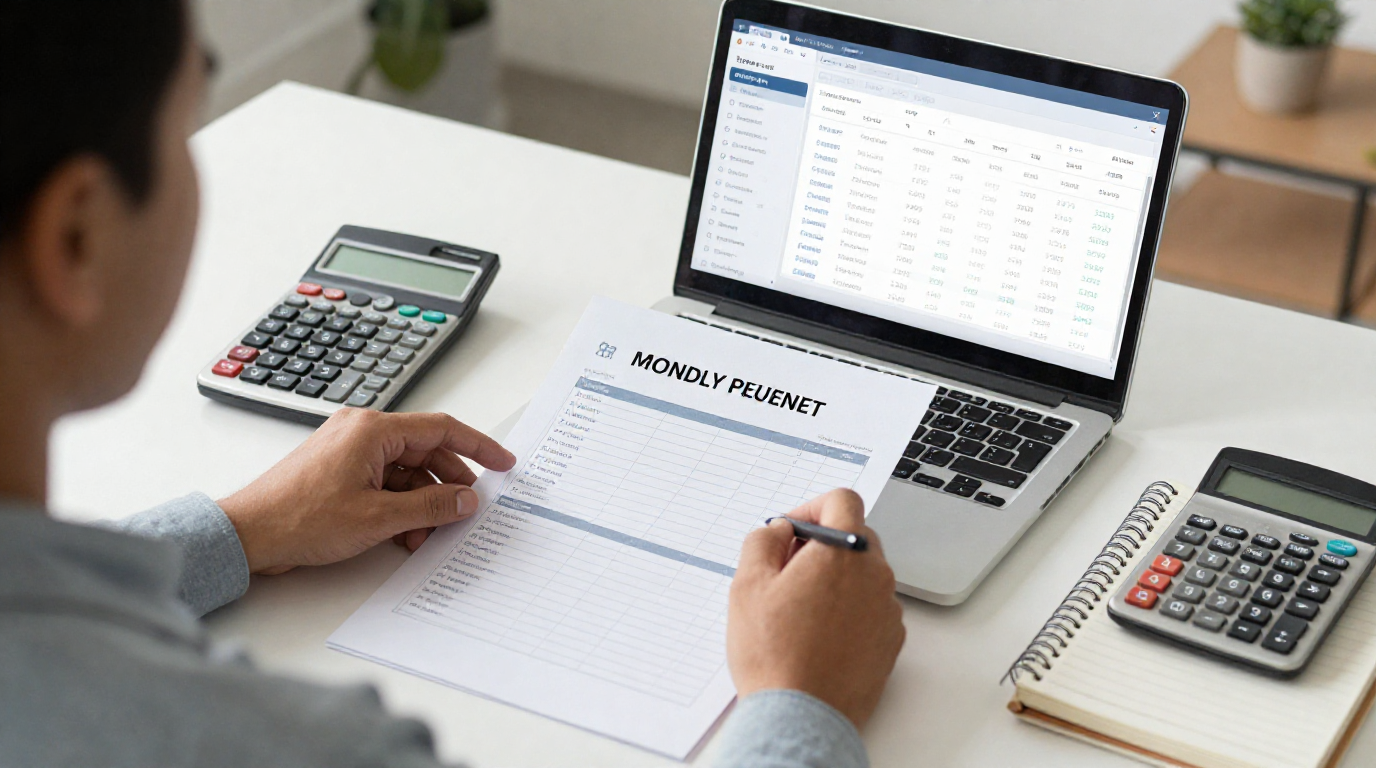
Understanding Personal Finance
Handling your own money means tracking what comes in, what goes out, saving bits along the way, then planning ahead. This setup keeps day-to-day spending in check while building a cushion for later. Staying on top of things eases stress around cash problems, making balance easier down the line. Over months, small choices add up – calm replaces worry when numbers feel clear.
Money matters depend less on income. What counts is spending habits – choices shape results. A paycheck size won’t fix poor judgment.
Know Your Income
Figuring out how much you earn marks the beginning of handling money well. Money might arrive through work, self-employment, yet sometimes flows in from elsewhere too.
Figuring out where your money comes from helps shape how you spend and set aside cash. Otherwise, guessing takes over instead of control.
Track Every Expense
Spending covers everything paid out each day – groceries, housing, travel costs, also utilities. What goes out often adds up without notice. Each cost fits into a bigger pattern of regular payments people make just to keep going.
What slips through the cracks often adds up fast. Without watching every outflow, overspending sneaks in unnoticed.
Create a Budget Plan
A plan for handling cash comes down to how you split what you earn. One part goes here, another there – food, rent, maybe travel. Numbers get assigned so spending stays on track. Some people call it control, others just routine
- Basic needs
- Savings
- Other expenses
Sticking to a basic plan for money keeps purchases in check while building better habits over time. What matters most is knowing where each dollar goes, day after day.
Save money on a regular basis
Putting money away happens when a portion of what you earn is kept for later. This habit works best when it repeats each month instead of popping up now and then.
Little bits set aside add up, if you keep at it without stopping.
Build an emergency fund
A surprise pile of cash sits ready when life throws a curveball – think hospital trips or sudden bills. Sometimes it’s just about having breathing room if something goes sideways without warning. This cushion shows up right when regular budgets fall short, usually from things nobody plans for. Stuff like car trouble or lost income finds quicker fixes because of it.
When trouble hits, money worries shrink here. A safety net appears when surprises come knocking.
Avoid Extra Debt
Borrowed cash needs paying back – that’s what debt really is. Useful in certain cases, yet too much of it brings stress around finances. Instead of helping, extra borrowing often tightens your wallet.
Avoid borrowing for non-essential spending.
Understand How Interest and Loans Work
Money borrowed grows heavier as days pass because of added charges. Over months, what you owe climbs beyond the original sum.
Interest makes more sense when you see how it shapes what you pay over time. Borrowing feels lighter at first, yet grows heavier later if ignored. Seeing the full picture changes choices people make with loans.
Manage bank accounts responsibly
Money stays safe inside a bank account. Through it, every payment or deposit shows up clearly. One way to see where cash moves is by checking statements regularly. A record builds over time, showing what was spent or saved.
Keeping track through accounts helps manage money better. What matters is how clearly everything gets recorded over time.
Learn basic investment
Investment means using money to generate future returns.
Starting out, a person should know the basics. This knowledge builds better money outcomes over time.
Manage How You Spend Money
Money moves shape your bank balance. When outgoings spiral, what’s set aside shrinks fast.
Spending within limits keeps your money coming in aligned with what goes out.
Set Financial Goals
Goals around money help point the way forward. Saving might aim at school costs, a home, or what comes later in life.
Goals help structure money planning.
Keep Financial Records
Tracking money coming in and out gives insight into how finances are managed.
Over time, their role includes checking how far things have come. Progress gets measured because they’re involved.
Avoid Financial Pressure
Pressure from others can twist money choices. When spending climbs past what is manageable, trouble follows later. Reaching too far now means paying more down the road. Outside voices often ignore personal limits. Living beyond income builds stress that grows quietly. What feels normal today might cost heavily tomorrow. Sticking to a plan helps avoid traps hidden in trends.
Focus should remain on personal financial situation.
Build habits that last
Spending less than you earn often comes down to routine choices. A plan for your income helps, yet watching where it goes matters just as much. Sticking to limits works better when records stay up to date. Saving a bit each month builds slowly – consistency makes the difference.
Sticking with it day after day slowly builds better money results over time.
Review finances regularly
Looking back at money coming in and going out now then shows how things are moving.
When things shift, plans can bend too.
Build better money habits
Budgeting, saving, or even tracking expenses – these shape how people choose to spend. A clearer view of money habits leads to more thoughtful choices.
Staying alert makes managing cash easier. Money habits improve when attention stays sharp.
Manage cash flow
Money comes in. Then it goes out. That movement? Cash flow.
Staying on top of money moving in and out keeps spending from creeping above what comes in.
Avoid spending on impulse
Out of nowhere, a quick purchase decision strikes. Savings drop because of it.
Pausing a moment before making a purchase keeps costs in check.
Anticipate what comes next
Putting money aside today helps reach dreams tomorrow. Saving now builds a path toward what matters most later. A steady effort today shapes how life unfolds years ahead.
Less guesswork shows up when money matters feel clearer.
Stay consistent
Sticking to a routine matters when handling cash. Over time, tiny steps add up – just keep going.
Conclusion
Most people handle their money better when they plan ahead, watch where it goes, put some aside regularly. Over time, keeping track of what comes in and what goes out helps build steady control. A routine that sticks makes a difference without needing big changes.